

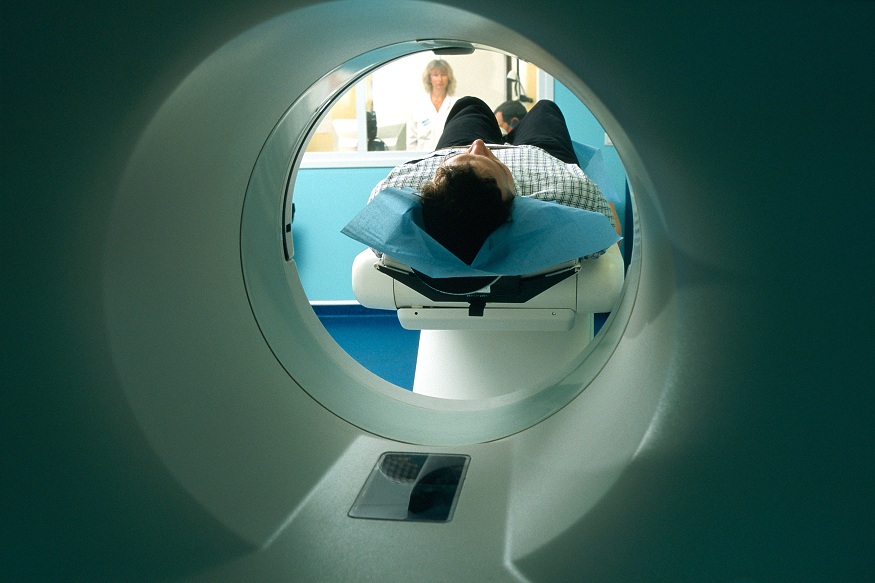
Magnetic resonance imaging (MRI) is one of the most advanced diagnostic tools available today. However, many people feel uneasy about the procedure simply because they do not know what to expect. In the opinion of Kasey McKillip, understanding how an MRI works and how to prepare can make the experience far less stressful.
Kasey McKillip provides insights into what patients should know before an MRI appointment
Unlike imaging tests that rely on radiation, an MRI uses powerful magnetic fields and radio waves to create highly detailed images of the body’s internal structures. It is especially valuable for examining soft tissues such as muscles, ligaments, tendons, nerves, and internal organs, helping doctors diagnose a wide range of medical conditions with exceptional clarity.
Since MRI scans do not use ionizing radiation like X-rays or CT scans, many healthcare professionals consider them a safer imaging option for many patients. The procedure is non-invasive, painless, and usually requires only minimal preparation. However, following these simple guidelines before the appointment can help ensure both safety and accurate imaging results:
Read More: Why Partnering with an Experienced Dialysis
- Choose the right clothing: Metal and MRI machines do not mix. Before entering the scanning room, patients are typically asked to remove jewelry, watches, eyeglasses, hearing aids, belts, hair accessories, and any removable metal objects. Even clothing can sometimes contain hidden metallic fibers, decorative zippers, or fasteners that may affect image quality. To eliminate this risk, most imaging centers provide hospital gowns or comfortable scrubs specifically designed for MRI procedures.
- Manage anxiety or claustrophobia: For some individuals, lying inside an MRI scanner can feel overwhelming, particularly if they experience claustrophobia or anxiety. Discussing these concerns with a healthcare provider before the appointment can help identify suitable solutions. Depending on the situation, patients may be prescribed a mild anti-anxiety medication or scheduled for a wide-bore MRI scanner, which offers a more spacious design than traditional machines. Many imaging facilities also provide comfort measures such as calming music, eye masks, or soothing aromas to help patients remain relaxed throughout the procedure.
- Eating, drinking, and arriving prepared: Most MRI examinations do not require significant dietary restrictions. Patients can generally eat, drink, and take their prescribed medications as usual unless instructed otherwise. However, scans involving contrast material may require fasting for several hours beforehand. Arriving early is also recommended, as it provides sufficient time to complete registration, answer safety questionnaires, and prepare for the procedure without feeling rushed.
As per Kasey McKillip, women who are pregnant or suspect they may be pregnant should always notify the imaging staff before the examination. MRI scans performed without contrast are generally considered safe during pregnancy, particularly after the first trimester, and decades of clinical experience have not demonstrated any significant harmful effects. If contrast enhancement is considered necessary, healthcare providers carefully weigh the benefits against any potential risks and administer it only when absolutely required.
Read More: Can Early Screening Improve Outcomes In
Although uncommon, certain tattoo inks may contain tiny metallic particles that can occasionally produce slight warmth or mild discomfort during an MRI scan. Patients should inform the technologist about any tattoos before the examination so appropriate precautions can be taken if necessary.