

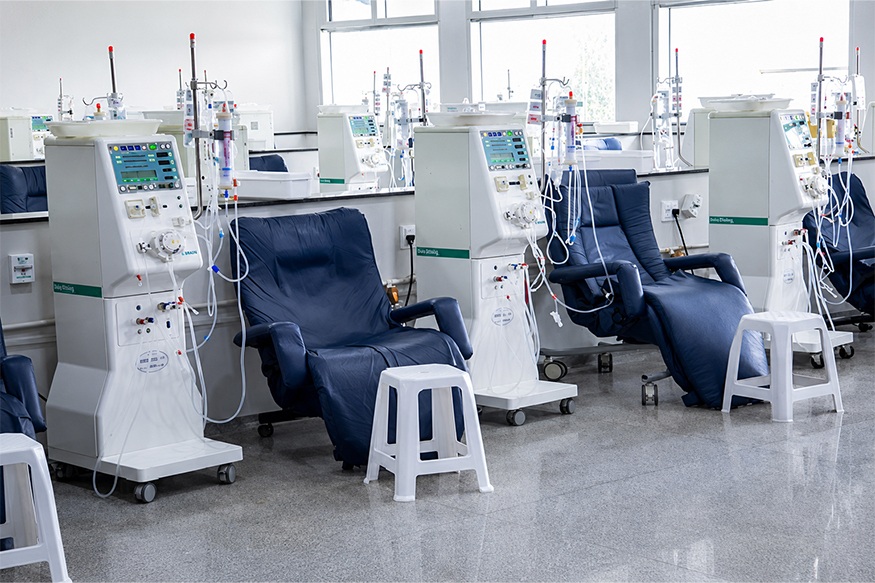
Renal care runs on routine, but it is not a simple routine. Patients arrive on tight schedules, chairs turn over quickly, and staff have to balance safety checks, comfort, documentation, and clinical outcomes in the same window of time. When equipment performs consistently, and the right consumables are available without fuss, the unit feels calm and in control. When something is missing, delayed, or unfamiliar, the day can slide off track fast. That is why supplier experience matters. It shapes up-time, training, replacement planning, and how smoothly teams handle change when pressure is high.
Selecting Equipment That Fits Clinical Protocols
The groundwork for a solid partnership should be a clinical fit, not a short product list. Many dialysis units already have protocols for equipment setup, priming, disinfection, and monitoring, and suppliers must understand and work with these constraints. If the supplier’s equipment and accessories match what is already done on-site, staff will not have to change the workflow drastically and will spend more time working with the equipment safely. In terms of training, consistency is equally beneficial, as new employees will not need to unlearn one method and learn another.
It also helps when a supplier can speak plainly about tradeoffs. Some options prioritise ease of setup, others focus on durability, and some reduce steps during turnover. None of those choices is “best” in every unit. Experienced partners help teams compare what matters for their patient mix and staffing model, then standardise around it. That is how facilities reduce variation, avoid unnecessary rework, and keep outcomes more predictable.
Equipment Supplier Support For Uptime and Service Readiness
A reliable dialysis equipment supplier joins unit staff in protecting what matters most with predictable uptime. When a machine is out of commission, it does not just affect one chair. Instead, it can delay the entire day, tax staffing, and introduce additional, anxious delays to patients who already spend too many hours in treatment. However, trusted collaborators integrate PM plans, realistic responses, and the correct parts, ensuring that crises are resolved more quickly and disturb less.
The readiness of the service includes the small, procedural facts that sustain the rhythm of the session. Clear escalation paths, simple “first checks,” relative ease in obtaining answers when alarms act bizarrely, so people do not have to invent solutions in a hurry. In the long term, teams are more self-assured because they understand that assistance is available and how to contain it: morale improves, the final stages of reshuffling are diluted, and overall support continues to care that the patient notices.
Training, Troubleshooting and Staff Confidence
Training works when it fits the shift, not when it looks good in a binder. Dialysis teams benefit from short refreshers that reflect real workflow, like what to verify before a session, what “normal” looks like during run-up, and how to avoid common setup mistakes. When guidance is practical and repeatable, confidence rises quickly. It also supports safer handoffs because staff are following the same mental checklist, even when the day is busy.
A seasoned dialysis equipment supplier also brings calm structure to troubleshooting. When something goes wrong, staff need to know who to call, what to check first, and how to prevent a repeat issue. Partners who can suggest quick sanity checks, confirm likely causes, and guide safe next steps reduce reliance on risky workarounds. Over time, fewer minor issues interrupt sessions, and the unit feels more stable on the hard days.
Equipment and Supplies Planning to Prevent Missed Sessions
Supply gaps rarely look dramatic at first. It might be one missing line set, one delayed delivery, or one substitute item that adds extra prep steps. Then the schedule starts slipping. Reliable medical equipment and supplies planning keeps units steady by aligning stock levels to real usage patterns, not rough estimates. When items are consistently available in the right sizes and configurations, staff stop borrowing between rooms and stop wasting time finding “close enough” alternatives.
Good planning also reduces waste without creating risk. Instead of over-ordering, facilities can set realistic minimum levels, rotate inventory by expiry, and track high-use items more closely. Clear shelf labelling and consistent storage locations make it easier for teams to restock correctly, even during turnover. When staff trust replenishment, hoarding drops; that one change often makes the whole unit feel less chaotic.
Traceability and Compliance Without Extra Stress
Dialysis programs operate under high accountability, so traceability is not optional. When a notice, audit, or internal review happens, teams need clean answers: what was received, where it went, and what version was used. Facilities benefit when suppliers support clear product identification and stable documentation that does not change names or packaging without warning. That clarity saves time and reduces the “we think it was this one” problem that drags reviews out.
Reliable medical equipment and supplies processes also support safer change control. Even small updates can affect setup steps or staff confidence, especially when items look similar. Experienced partners flag changes early, explain what is different in plain language, and help teams adjust pick lists and routines without disruption. The tradeoff is a bit more coordination upfront, but it prevents silent swaps, reduces errors, and keeps compliance work from becoming a constant fire drill.
Scaling Renal Services With Fewer Disruptions
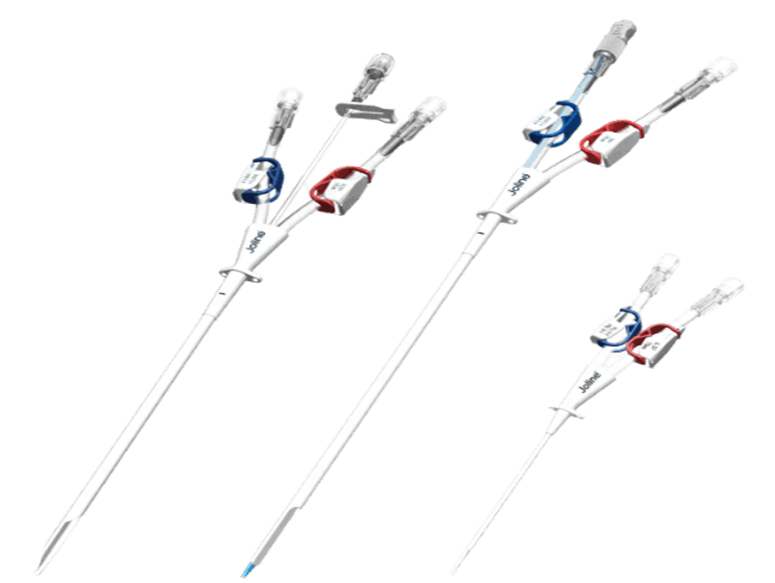
Many renal programs grow over time, adding chairs, extending hours, or supporting more complex patient needs. Growth is easier when the supplier relationship scales with it. That means clearer forecasting, better staging of common kits, and support for standardisation across rooms so staffing stays flexible. When expansion is planned with supply continuity in mind, the unit avoids painful “start-stop” periods where throughput rises, but readiness does not.
It also helps when facilities communicate their renal services clearly to patients and referrers. Strong educational content can reduce confusion, set expectations, and improve enquiry quality before the first call. Some organisations use SEO services to make those pages easier to find, but the content still needs to sound grounded and human. When operations and messaging match, growth feels smoother, and trust builds faster.
Conclusion
Partnering with an experienced supplier supports better dialysis operations in ways that show up every day: steadier uptime, clearer training, fewer supply gaps, and calmer troubleshooting when something unexpected happens. It also strengthens standardisation and traceability, which makes audits and change management easier to handle. When the workflow is stable, staff can focus on patients instead of scrambling for fixes, and the unit delivers more consistent care across shifts and seasons.
Nexamedic supports renal care teams that value dependable continuity and structured coordination, helping facilities maintain consistent equipment availability, clear documentation, and smoother day-to-day readiness. Their approach can reduce disruption during substitutions or updates, support practical planning for growth, and keep workflows aligned with how dialysis units actually operate. When that foundation is steady, teams spend less time chasing gaps and more time delivering reliable treatment.
Frequently Asked Questions
Question: What should a dialysis unit check first when choosing a supplier?
Answer: They should start with service readiness: response times, preventive maintenance planning, and spare-part access. Next, they should review documentation quality, traceability practices, and how changes are communicated. Training support matters too, especially for rotating staff. A supplier that makes daily work easier usually reduces delays and improves consistency across shifts.
Question: How does standardisation improve day-to-day dialysis workflow?
Answer: Standardisation reduces variation in setup steps. When staff use the same core items and routines, priming and checks become faster and more reliable. It also lowers the risk of mix-ups when the day is busy. Over time, standardisation makes onboarding smoother and keeps the schedule steadier, which patients notice quickly.
Question: Why is change management such a big issue in dialysis programs?
Answer: Because small changes can affect setup, compatibility, or alarm behaviour. If staff learn about a change mid-session, delays and workarounds can follow. Good change management includes early notice, plain explanations of what changed, and quick refresh training when needed. That protects safety and helps schedules stay predictable.
Question: What kind of training support is most useful for dialysis staff?
Answer: Short, practical training works best. Teams benefit from clear setup routines, safe defaults, and first-step troubleshooting for common issues. Refreshers are especially helpful after updates or substitutions. When training matches real workflow, staff confidence rises quickly, and minor problems are less likely to interrupt sessions.
Question: How can providers reduce delays caused by equipment downtime?
Answer: They can schedule preventive maintenance, keep a clear escalation path, and ensure staff know simple first checks before calling support. Having a spare-parts plan also helps, so repairs do not stall due to missing components. Clear documentation and consistent routines reduce repeat issues. Together, these habits keep sessions on track more often.